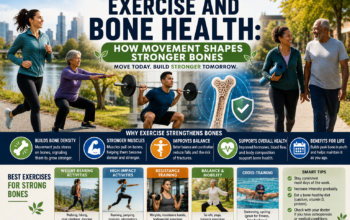
Exercise is one of the most widely recommended activities for improving overall health and well-being, but is it beneficial for everyone? The answer is yes and no. While exercise does offer a wide range of benefits for the majority of people, it is not always appropriate for everyone, and in some cases, it may even be harmful.
One of the most important things to consider when deciding whether or not to exercise is one’s current physical health. If an individual has a chronic condition, such as heart disease or arthritis, or if they have recently suffered an injury, it is important to consult with a doctor before starting an exercise program. In some cases, exercise may need to be modified or avoided altogether to prevent further harm.
Additionally, some individuals may have medical conditions that limit their ability to exercise. For example, individuals with conditions such as osteoporosis or arthritis may need to avoid high-impact exercises, while those with respiratory conditions may need to limit the amount of time they spend exercising. In these cases, it is important to work with a doctor or physical therapist to develop an exercise plan that is safe and effective.
Another factor to consider when deciding whether or not to exercise is age. While exercise is beneficial for individuals of all ages, older adults may need to modify their exercise routine to accommodate for changes in physical abilities. For example, older adults may need to focus on exercises that improve balance and flexibility, rather than high-impact activities like running.
It is also important to consider one’s mental health when deciding whether or not to exercise. While exercise has been shown to improve mental health for many individuals, it can also exacerbate symptoms of anxiety and depression in some cases. If an individual is experiencing symptoms of mental health issues, it is important to speak with a doctor or mental health professional before starting an exercise program.
Despite these considerations, it is important to remember that exercise can still be beneficial for individuals who may have limitations or medical conditions. In many cases, exercise can be modified to accommodate for individual needs, and can still provide a wide range of health benefits. For example, low-impact exercises like swimming or cycling can be just as effective as high-impact activities for improving cardiovascular health, and can be a safe and effective option for individuals with medical conditions.
In addition to the factors discussed above, there are also other considerations that can impact the benefits of exercise for individuals. For example, the type and intensity of exercise can play a role in determining its benefits. High-intensity exercises, such as running or weightlifting, can provide a more intense workout and may be more effective for some individuals, while low-impact exercises, such as yoga or walking, may be better suited for others.
Another factor to consider is the frequency and duration of exercise. For maximum benefits, it is recommended that individuals engage in moderate-intensity aerobic activity for at least 150 minutes per week, spread out over at least three days per week. However, even small amounts of exercise can have positive effects on health, so it is important to find an exercise routine that works for each individual.
It is also important to consider the impact of exercise on overall lifestyle. For some individuals, exercise may require significant lifestyle changes, such as adjusting work schedules or finding time to exercise. These changes can be difficult to make, but they can also have a positive impact on overall health and well-being.

Additionally, it is also important to note that the benefits of exercise can vary greatly depending on an individual’s personal goals. For example, individuals who are looking to improve their physical health may benefit from different types of exercise than those who are looking to improve their mental well-being. Some individuals may find that exercise is helpful for managing stress and anxiety, while others may find that it helps improve mood and sleep patterns.
Furthermore, it is also important to be mindful of the potential risks of exercise, particularly for individuals with certain medical conditions or disabilities. For example, individuals with cardiovascular disease or joint problems may need to take extra precautions when engaging in physical activity, and may need to modify their exercise routine to accommodate their needs.
In order to reap the full benefits of exercise, it is also important to make it a consistent part of one’s routine. This may mean setting aside a specific time each day or week to exercise, or incorporating physical activity into daily routines, such as taking the stairs instead of the elevator. Making exercise a habit can help individuals stay motivated and committed to their fitness goals, and can help them see long-term benefits over time.
It is also important to find an exercise routine that is enjoyable and sustainable, as this can help individuals stay committed to their fitness goals in the long-term. Some individuals may prefer high-intensity workouts, while others may prefer low-impact activities such as yoga or swimming. Experimenting with different types of exercise can help individuals find the right fit for their needs and preferences.
Finally, it is also important to remember that exercise is just one component of a healthy lifestyle. A balanced diet, adequate sleep, and stress management strategies are all important for overall health and well-being. By combining regular exercise with a healthy lifestyle, individuals can maximize the benefits of physical activity and improve their overall health and well-being.
In conclusion, while exercise is beneficial for the majority of people, it is not always appropriate for everyone. When deciding whether or not to exercise, it is important to consider one’s current physical and mental health, as well as age and any medical conditions. If an individual has concerns about starting an exercise program, it is always best to speak with a doctor or healthcare professional to determine what is safe and appropriate. By considering these factors, individuals can ensure that they receive the full range of benefits that exercise has to offer, and can improve their overall health and well-being.