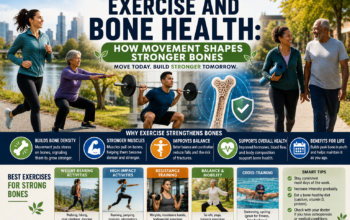
Exercise is a crucial component of a healthy lifestyle. It has numerous benefits for both the mind and body, and can help people lead a more fulfilling and productive life. In this article, we will focus on the short-term benefits of exercise and why it is so important to incorporate it into your daily routine.
Improves Mood and Reduces Stress
One of the most immediate benefits of exercise is an improvement in mood and a reduction in stress levels. When you exercise, your body releases endorphins, which are the body’s natural feel-good chemicals. These endorphins can help boost your mood, reduce feelings of anxiety and depression, and promote feelings of happiness and well-being. Additionally, exercise can also help to reduce cortisol levels, which is the hormone responsible for stress.
Increases Energy Levels
Exercise can also help to increase energy levels and improve overall fatigue. This is because exercise stimulates the production of oxygen and nutrients in the body, which helps to improve blood flow and increase the supply of oxygen and nutrients to the muscles. This, in turn, helps to reduce feelings of tiredness and increase energy levels. Additionally, regular exercise can also help to improve sleep quality, which can also help to boost energy levels.
Enhances Cognitive Function
Exercise has also been shown to enhance cognitive function and improve brain health. This is because exercise increases blood flow to the brain, which helps to deliver oxygen and nutrients to the brain. Additionally, exercise also stimulates the growth of new brain cells and the formation of new neural connections, which can help to improve memory, focus, and problem-solving skills. Regular exercise can also help to reduce the risk of developing conditions such as Alzheimer’s and Parkinson’s disease.
Boosts Immunity
Exercise can also help to boost the immune system and reduce the risk of illness and disease. This is because exercise stimulates the production of white blood cells, which are responsible for fighting off infections and diseases. Additionally, exercise also helps to reduce inflammation in the body, which can help to reduce the risk of chronic conditions such as heart disease and cancer.
Improves Cardiovascular Health
Exercise is also crucial for maintaining good cardiovascular health. Regular exercise can help to strengthen the heart and improve blood circulation, which can help to reduce the risk of heart disease and stroke. Exercise can also help to lower blood pressure, reduce cholesterol levels, and improve the overall health of the cardiovascular system.
Promotes Weight Loss
Exercise is also an effective way to promote weight loss and maintain a healthy weight. By increasing energy expenditure, exercise can help to burn calories and reduce body fat. Additionally, exercise can also help to increase muscle mass, which can help to boost metabolism and improve overall body composition.
Improves Flexibility and Balance
Exercise can also help to improve flexibility and balance, which can help to reduce the risk of injury and falls. This is especially important for older adults, who are at a higher risk of falls and related injuries. Regular exercise can help to improve range of motion, flexibility, and balance, which can help to reduce the risk of injury and falls.
Improves Skin Health
Exercise can also have a positive impact on skin health. When you exercise, your body increases blood flow and circulation, which can help to deliver oxygen and nutrients to the skin. This, in turn, can help to improve skin health, reduce the appearance of fine lines and wrinkles, and promote a more youthful and radiant complexion. Additionally, exercise can also help to reduce stress levels, which can help to reduce the risk of breakouts and other skin conditions such as acne and eczema.
Supports Joint Health
Exercise can also be beneficial for joint health. Regular exercise can help to strengthen the muscles that support the joints, which can help to reduce the risk of injury and improve joint mobility. Additionally, exercise can also help to reduce inflammation in the joints, which can help to reduce the risk of conditions such as osteoarthritis and rheumatoid arthritis.
Increases Endurance
Exercise can also help to increase endurance and improve overall physical fitness. This is because exercise challenges the body and helps to improve muscle strength and endurance. This, in turn, can help to improve overall physical fitness and increase the ability to perform daily tasks with ease. Additionally, exercise can also help to improve cardiovascular endurance, which can help to reduce the risk of heart disease and stroke.
Improves Sexual Health
Exercise can also have a positive impact on sexual health. Regular exercise can help to improve circulation and increase blood flow, which can help to improve sexual function and increase sexual desire. Additionally, exercise can also help to reduce stress levels and improve mood, which can help to improve sexual health and overall well-being.
Supports Mental Health
Finally, exercise can also be beneficial for mental health. Regular exercise can help to reduce stress levels and improve mood, which can help to reduce the risk of depression and anxiety. Additionally, exercise can also help to increase self-esteem and confidence, which can help to improve mental health and overall well-being.
The short-term benefits of exercise are numerous and wide-ranging. From improving skin health and joint health, to increasing endurance and supporting mental health, exercise has something to offer everyone. So, if you haven’t already, it’s time to start incorporating exercise into your daily routine and start reaping the many benefits it has to offer. With a little effort and dedication, you can experience the many short-term benefits of exercise and lead a more fulfilling and healthy life.
In conclusion, exercise is a crucial component of a healthy lifestyle and has numerous short-term benefits. By improving mood and reducing stress, increasing energy levels, enhancing cognitive function, boosting immunity, improving cardiovascular health, promoting weight loss, and improving flexibility and balance, exercise can help people lead a more fulfilling and productive life. So, if you haven’t already, it’s time to start incorporating exercise into your daily routine and start reaping the many benefits it has to offer.
Visit the following related articles: